5 min read
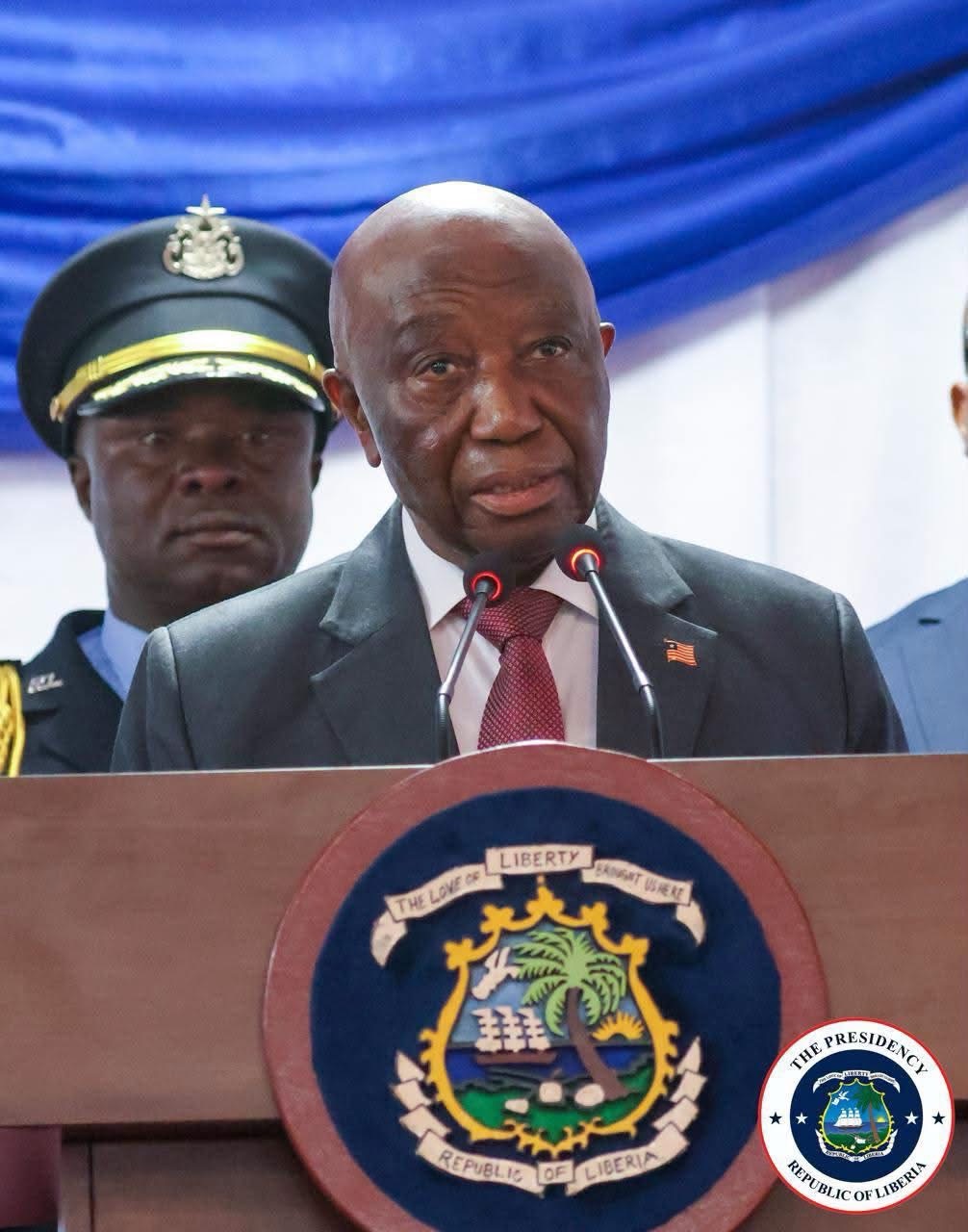
BUCHANAN, Grand Bassa County – July 27, 2026 – President Joseph Nyuma Boakai, Sr. has announced a sweeping initiative to recover, preserve, and promote Liberia’s historical heritage, declaring that the country’s future depends on a stronger national identity rooted in Liberian-led scholarship and an honest understanding of its past.
Delivering the national address marking Liberia’s 179th Independence Anniversary in Buchanan, Grand Bassa County, President Boakai urged Liberians to look beyond celebrating independence and instead reflect on the nation’s identity, history, and shared future.
The celebration was held under the theme: “Strengthening National Identity Through Liberian-Led Historical Leadership.”
“Today, we celebrate one hundred and seventy-nine years of our nation’s independence with gratitude to Almighty God and with renewed hope for Liberia’s future,” President Boakai said.
He described Liberia’s history as one marked by courage, sacrifice, resilience, and perseverance, noting that the country’s journey has included both triumphs and setbacks while preserving the legacy of Africa’s first independent Black Republic.
National Historical Recovery Initiative Announced
A centerpiece of the President’s address was the announcement of a National Historical Recovery and Repatriation Initiative, which he said will work with international partners, universities, museums, and cultural institutions to recover copies of historical documents relating to Liberia that are currently held abroad.
According to President Boakai, the initiative aims to make these records accessible to Liberians and strengthen the country’s understanding of its own history.
“Our people must once again have access to the documentary foundations of our national memory,” he declared.
Government to Modernize National Archives and Museum
President Boakai also announced plans to modernize Liberia’s National Archives and National Museum, institutions he described as the custodians of the country’s collective memory.
He said the government will invest in improved infrastructure, preservation systems, digitization, conservation, and public access for researchers, students, and citizens.
The President lamented that years of conflict, neglect, and inadequate preservation have resulted in the loss of significant portions of Liberia’s documentary heritage.
Kendeja Cultural Center to Be Studied for Restoration
The Liberian leader further directed the establishment of an intergovernmental technical committee to study the future of the historic Kendeja Cultural Center.
The committee will assess options for restoring, modernizing, and integrating the center into Liberia’s national heritage program.
President Boakai described Kendeja as an important symbol of Liberia’s artistic and cultural heritage.
National History Project to Be Revived
The President also announced that his administration will revive the National History Project, originally recommended by Liberia’s Truth and Reconciliation Commission (TRC).
He said the initiative will support comprehensive and inclusive documentation of Liberia’s history through research conducted by professional historians, archivists, archaeologists, anthropologists, linguists, educators, and other scholars.
President Boakai stressed that the project must remain independent of political influence.
“History should never be written through the lens of political convenience. It must remain an honest, evidence-based account of our national journey,” he emphasized.
Liberians Must Lead Historical Research
Throughout his address, President Boakai underscored the importance of Liberians taking ownership of researching, preserving, and interpreting their own history.
He acknowledged that international scholars and institutions will continue to play an important supporting role but insisted that Liberians must remain at the center of documenting the nation’s story.
He said Liberia’s identity is shaped by its indigenous civilizations, the return of people of African descent from the Americas and the Caribbean, and the country’s enduring ties with the African diaspora.
According to the President, those experiences have produced a uniquely Liberian national identity founded on freedom, resilience, republican values, and cultural diversity.
Calls for National Unity
President Boakai urged Liberians to embrace unity despite differences in ethnicity, religion, politics, gender, or social background.
He said every Liberian should see themselves reflected in the nation’s history and recognize that they have an equal stake in the country’s future.
“The strongest nations are united by shared values, common purpose, mutual respect, and a deep sense of identity,” he said.
He added that nation-building is not solely the responsibility of government but of every citizen through respect for the rule of law, public service, and national values.
Reflects on Liberia’s Global Legacy
President Boakai reaffirmed Liberia’s historical significance as Africa’s first independent Black Republic, noting that the country’s founding inspired liberation movements across Africa and among people of African descent worldwide.
He also voiced support for continued efforts to acknowledge the history of the transatlantic slave trade, saying such reflection should promote justice, reconciliation, and a shared humanity rather than reopen old wounds.
Marks Historical Milestones
The President observed that 2026 marks 100 years since both the signing of the 1926 Firestone Concession Agreement and the Harvard African Expedition to Liberia, events he said significantly influenced Liberia’s economic development and contributed to international scholarship about the country.
He expressed hope that future research on Liberia would increasingly reflect Liberian leadership and perspectives while maintaining collaboration with respected international institutions.
Message of Hope
Concluding his Independence Day address, President Boakai called on Liberians to preserve not only the nation’s history but also the principles, faith, and sense of purpose that have sustained the Republic for nearly two centuries.
“The greatest gift we can leave future generations is not only infrastructure or stronger institutions. It is a confident nation that understands itself,” the President said.
He thanked the people of Grand Bassa County for hosting the national celebration and expressed appreciation to Liberians both at home and abroad for what he described as their patriotism in commemorating the nation’s 179th Independence Anniversary.
