4 min read
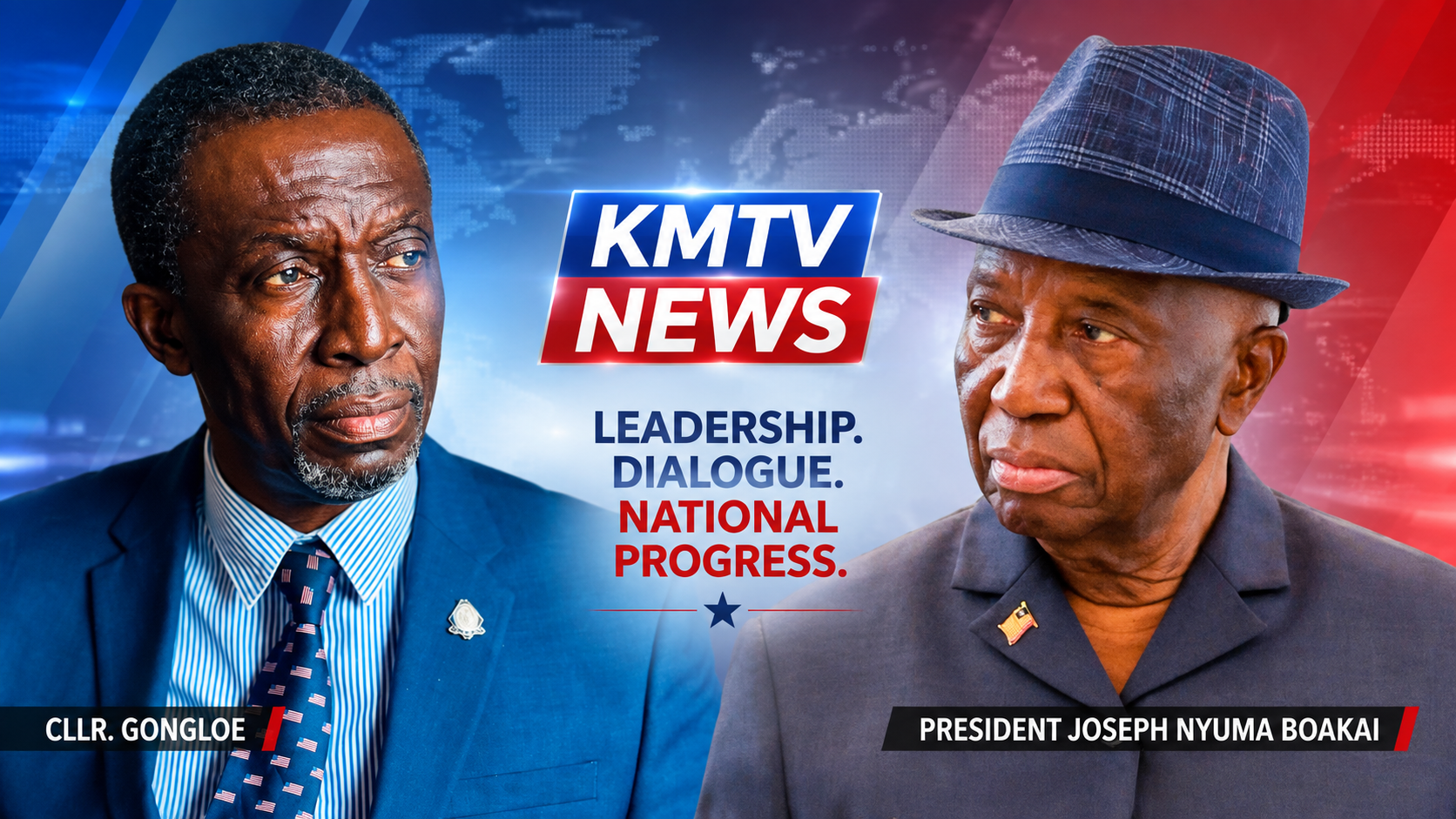
MONROVIA, Liberia – August 16, 2026 – Former presidential candidate and prominent Liberian lawyer Cllr. Tiawan Saye Gongloe has called on President Joseph Nyuma Boakai, Sr. to publicly disclose the full source of financing for the approximately US$6 million Foya Presidential Center, arguing that the controversy surrounding the project can only be resolved through independent financial scrutiny and complete transparency.
In a commentary titled “Mr. President, Where Did the Money for the US$6 Million Foya Presidential Center Come From?”, Gongloe questioned whether the project was financed through a legislative appropriation, contributions from state-owned enterprises, private donors, the Mano River Union, foreign governments, international partners, or other sources.
He stressed that he was not accusing President Boakai of financing the project with drug money and acknowledged that no evidence currently establishes such a connection.
However, Gongloe argued that Liberia’s ongoing narcotics crisis makes it necessary for authorities to verify whether any illicit funds may have entered the project’s financing chain.
“The Liberian people are entitled to know,” Gongloe said.
He maintained that the central issue is not the legitimacy of the Foya project itself, but what he described as the absence of a sufficiently clear, documented, and independently verifiable explanation of how the multimillion-dollar facility was financed.
Questions Different Explanations
Gongloe said different accounts regarding the project’s financing have circulated publicly, including references to the Mano River Union, private contributions, and more recent descriptions of the facility as a Government of Liberia project.
According to him, any inconsistency or lack of clarity involving a project of such financial magnitude should trigger a transparent review rather than political argument.
He called on the government to publish a definitive account showing who financed the project, how much was contributed, the channels through which the money moved, the legal authority under which funds were used, and who ultimately received payments.
Links Transparency Call to Drug Crisis
Gongloe said the financing issue has become particularly sensitive because Liberia is currently confronting major narcotics trafficking investigations.
He referenced recent large cocaine seizures as evidence of the ability of international criminal networks to operate in or through Liberia.
While stressing that this does not prove any connection between narcotics proceeds and the Foya project, Gongloe said it raises broader questions about whether illicit funds could potentially enter legitimate businesses, financial institutions, or development projects.
He therefore urged the government to allow competent institutions to determine whether all funds associated with the project came from lawful sources.
Calls on Four Institutions to “Follow the Money”
Gongloe identified four institutions that he believes should independently review the project: the General Auditing Commission (GAC), Financial Intelligence Agency (FIA), Liberia Anti-Corruption Commission (LACC), and Public Procurement and Concessions Commission (PPCC).
He said the GAC should determine whether government money was used and establish the legal authority, appropriation, contracts, payments, and recipients connected to any public funds.
The FIA, he argued, should examine private and non-budgetary financing, identify the ultimate sources of funds and beneficial owners of companies involved, and determine whether any suspicious or criminal proceeds entered the financing structure.
Gongloe said the LACC should investigate possible conflicts of interest, improper influence, undisclosed benefits, or abuse of public office, while the PPCC should determine whether procurement and contracting procedures complied with Liberian law.
Says ARREST Agenda Credibility Is at Stake
The former presidential candidate argued that the issue also touches on the credibility of the Boakai administration’s ARREST Agenda for Inclusive Development and the Unity Party’s RESCUE Mission.
He said an administration that promises greater accountability, transparency, and rule of law must be prepared to subject its own major projects to the same standards.
“If the Foya project was legitimately financed, the Government should have no difficulty providing the relevant documentation,” Gongloe argued.
He said if state-owned enterprises contributed, those transactions should be disclosed; if regional or international partners provided funds, the agreements should be published; and if private individuals or businesses donated money, their identities and the legal basis for those contributions should be made known.
Calls for Independent Audit
Gongloe maintained that an independent audit or investigation would not weaken President Boakai but could instead strengthen public confidence in the administration.
He urged the President to voluntarily open the financial records of the project to the appropriate institutions.
“Mr. President, open the books. Follow the money. Let the independent institutions do their work,” Gongloe said.
He concluded that if the financing is entirely legitimate, documentary evidence should settle the matter. If irregularities are found, he said the appropriate institutions should investigate and take action.
Gongloe’s commentary reflects his own concerns and allegations regarding transparency around the project. No evidence was presented in the statement establishing that illicit drug proceeds were used to finance the Foya Presidential Center.
