


Monrovia, January 27, 2026 — The International Monetary Fund (IMF) has confirmed that Liberia’s economy grew by 5.1 percent in 2025, following the successful completion of discussions under the third review of the country’s Extended Credit Facility (ECF) arrangement.

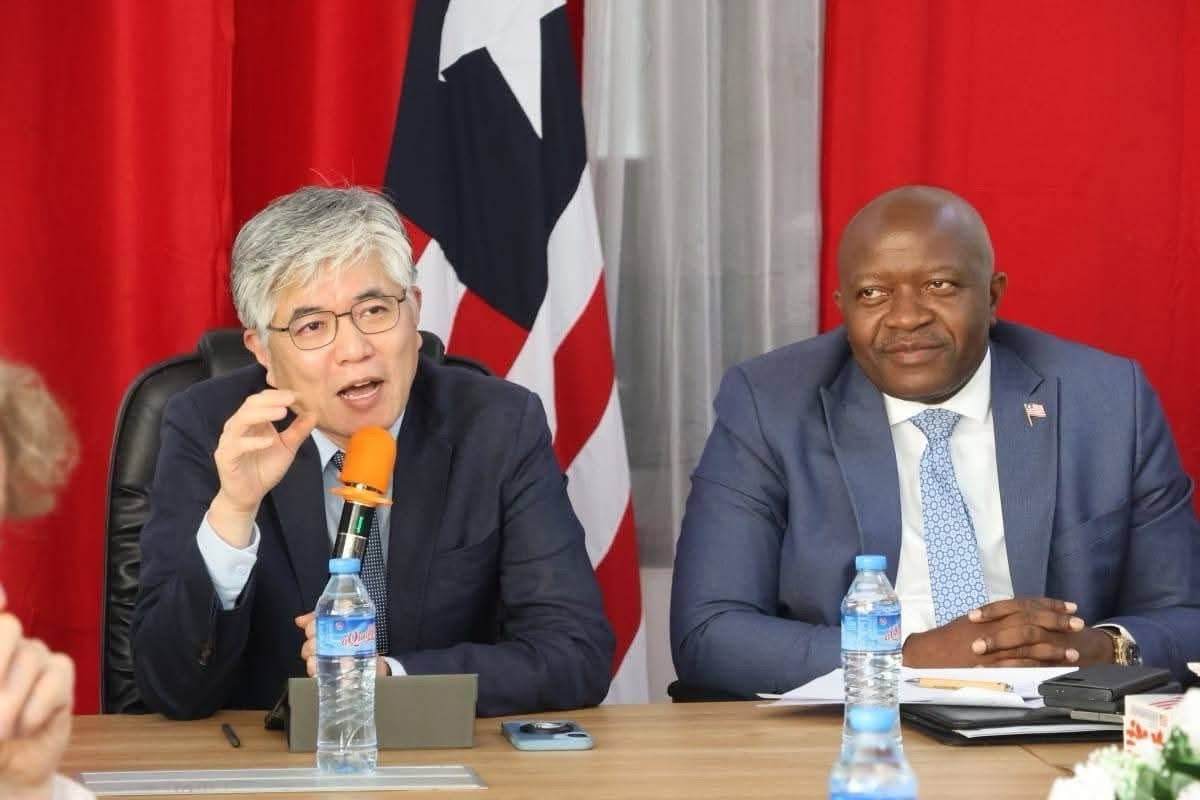
The confirmation came after an IMF staff mission, led by Mr. Daehaeng Kim, visited Monrovia from January 7 to 20, 2026, and reached a staff-level agreement with the Government of Liberia on the third review of the ongoing economic reform program supported by the ECF.
Liberia’s ECF arrangement was approved by the IMF Executive Board on September 25, 2024, providing the country with access to SDR 155 million—about US$210 million—over a 40-month period to support macroeconomic stability and structural reforms.
According to the IMF, Liberia’s macroeconomic conditions continue to improve, driven by strong economic activity, a sharp decline in inflation, and a broadly stable exchange rate. The Fund noted that program performance since the second review has been relatively strong.
At the conclusion of the mission, Mr. Kim said Liberia’s reform efforts are yielding tangible results. He noted that real GDP growth rose to an estimated 5.1 percent in 2025 from 4.0 percent in 2024, largely driven by robust mining activity alongside moderate expansion in the agriculture and services sectors. Inflation, he added, declined significantly, averaging 4.4 percent in the fourth quarter of 2025 compared to 12.5 percent in the first quarter, while the exchange rate remained stable.
The IMF also reported improvements in fiscal performance. The primary fiscal surplus, excluding grants, increased from 1.3 percent of GDP in 2024 to 1.4 percent in 2025, surpassing the program target of 1.1 percent of GDP.
Despite the positive outlook, the IMF emphasized that sustained and steadfast implementation of reforms remains critical. The Fund underscored the importance of prudent fiscal policies, stronger domestic revenue mobilization, improved public financial management, enhanced effectiveness of monetary policy, and continued efforts to strengthen the banking sector in order to consolidate macroeconomic stability, reduce debt vulnerabilities, and support Liberia’s development priorities.
During the mission, IMF officials held consultations with President Joseph N. Boakai, members of the National Legislature, Minister of Finance and Development Planning Augustine K. Ngafuan, Central Bank of Liberia Executive Governor Henry F. Saamoi, other senior government officials, and development partners.


