3 min read
MONROVIA, Liberia — Liberia’s collection of more than US$1 billion in domestic revenue during 2026 could give the government greater capacity to improve public services, support local businesses and reduce the country’s dependence on foreign assistance and borrowing.
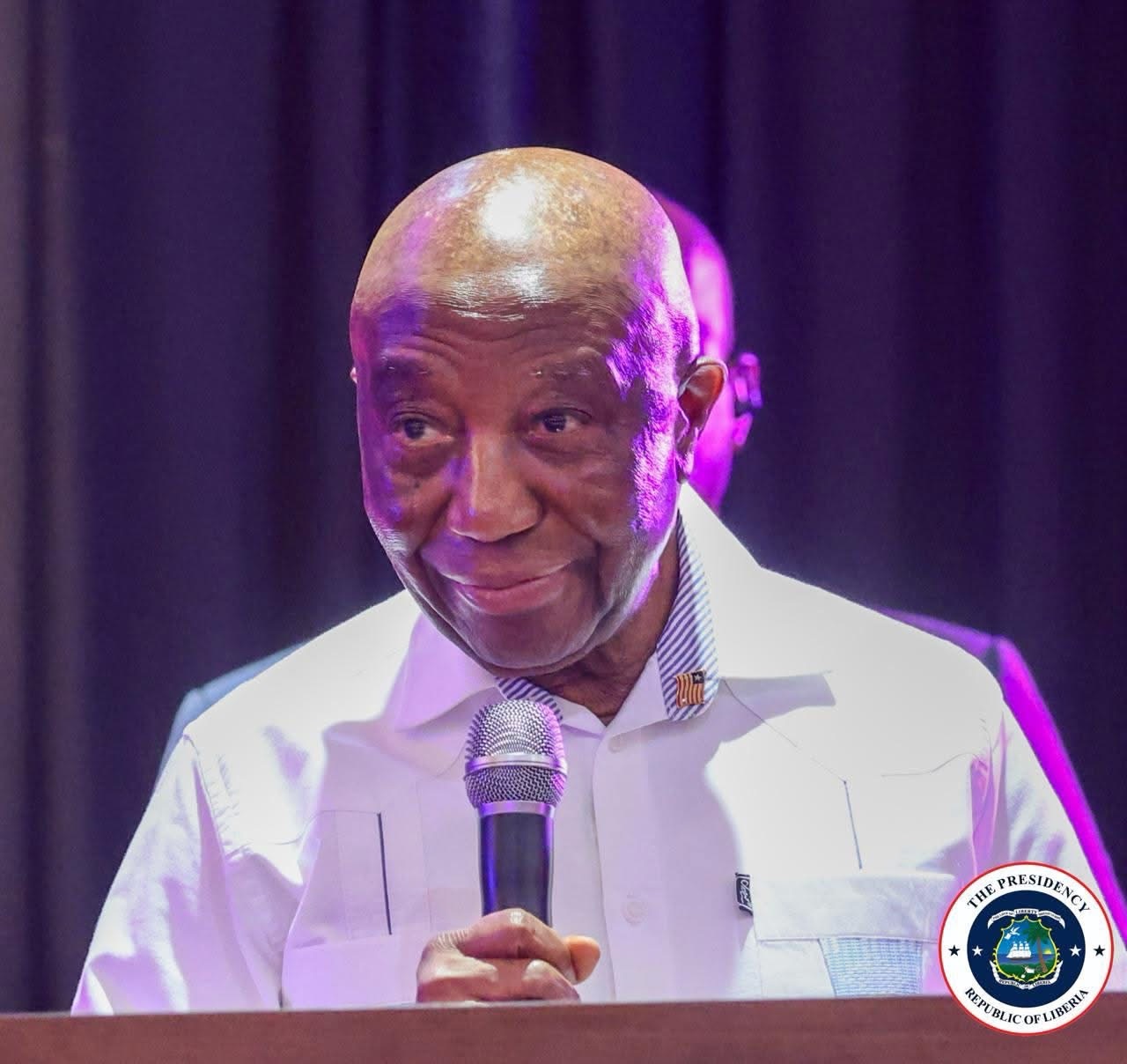
President Joseph Nyuma Boakai announced the milestone Monday, describing it as the first time Liberia has raised more than US$1 billion domestically in a single year.
The revenue came from taxes, customs duties, fees and other payments made by Liberian residents and businesses, according to the president. Boakai credited the Liberia Revenue Authority, the Ministry of Finance and Development Planning, other government institutions and taxpayers for the increase.
“This is domestic revenue raised at home—earned, not borrowed, and not foreign aid,” Boakai said in his special address, titled “One Billion, One Liberia.”
Beyond setting a financial record, the milestone could allow Liberia to fund more of its national priorities with resources generated within the country. Stronger domestic revenue can provide more predictable financing for schools, hospitals, roads, security services and public-sector salaries while reducing reliance on assistance that may be delayed or restricted by external conditions.
Boakai said domestic revenue increased from approximately US$612 million in 2023 to US$699 million in 2024 and US$848 million in 2025. The government has now surpassed US$1 billion and expects collections to continue rising through the end of December.
According to the president, increased revenue has already helped the government raise salaries for more than 23,000 public workers and officials in health care, public works, security, the judiciary and anti-corruption institutions.
The government has also added more than 3,400 long-serving volunteer teachers and health workers to the national payroll. That change could provide greater financial security for workers who have served without regular government salaries while helping schools and health facilities retain needed personnel.
Boakai said the revenue will also support the recruitment and training of 600 new Armed Forces of Liberia personnel, strengthen the Liberia Drug Enforcement Agency and finance skills and livelihood opportunities for young people.
Road development is another potential benefit. The president said domestic resources are helping finance the purchase and deployment of heavy equipment across Liberia’s counties. Improved roads could help farmers and traders reach markets, lower transportation costs and connect rural communities with schools, hospitals and other essential services.
The administration is also considering using part of the revenue to establish a special-purpose financing vehicle for Liberian-owned businesses and other critical economic sectors.
If implemented with affordable terms and transparent eligibility requirements, the proposed program could help local entrepreneurs obtain financing, expand their businesses and create jobs. Boakai did not announce how much money would be placed in the program or when it would begin.
For ordinary Liberians, the significance of the milestone will ultimately depend on whether increased collections produce visible improvements in daily life. Boakai said market women should receive support, public hospitals should have reliable supplies of medicine and students should learn in safer, better-equipped schools.
“A billion dollars raised is a billion dollars entrusted,” the president said, emphasizing that the money must serve the public interest.
The achievement also increases pressure on the government to provide detailed and independently verifiable reports showing where the revenue came from and how it is being spent. Transparent procurement, legislative oversight and regular audits will be essential to ensuring that the benefits reach communities throughout Liberia.
If managed responsibly, the milestone could strengthen public confidence, improve Liberia’s ability to finance its own development and demonstrate that domestic institutions can mobilize resources for national priorities.
