


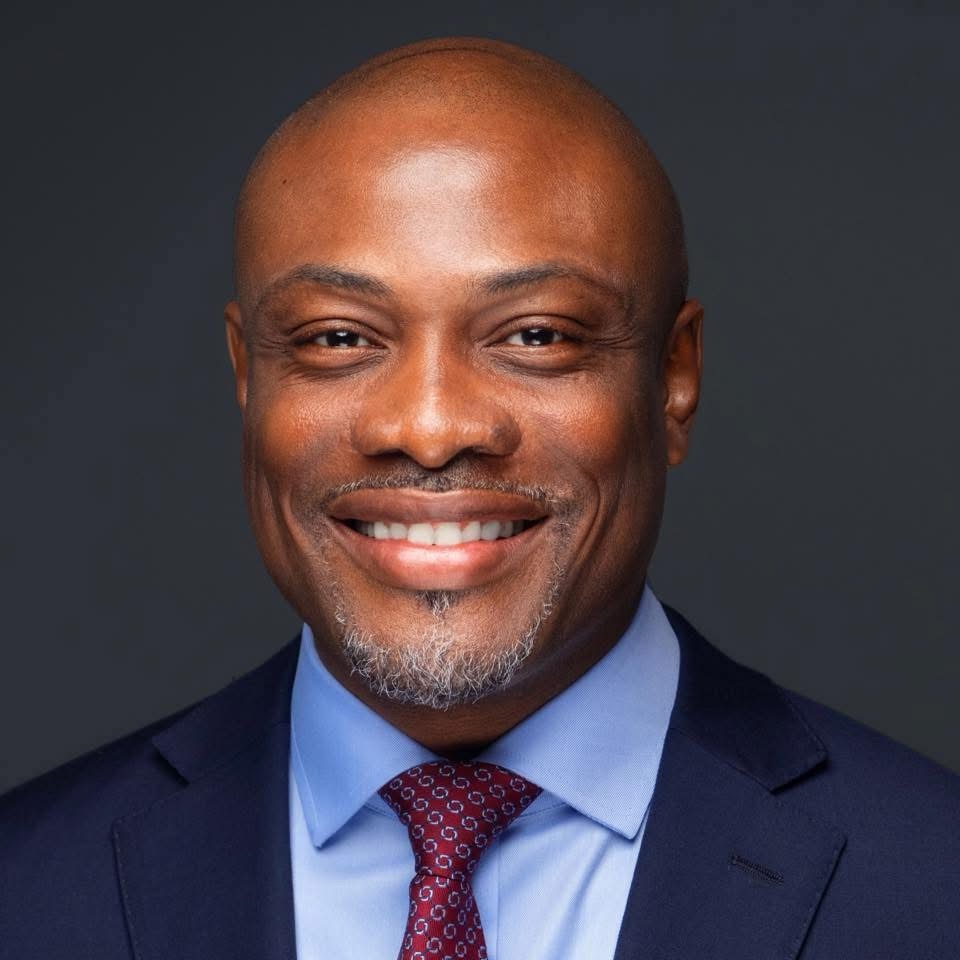
Monrovia – Representative Tara Wongbe of Nimba County has issued a blunt assessment of Liberia’s political and economic landscape ahead of the 2026 electoral cycle, warning that the country is facing deep governance, economic, and trust challenges that leaders can no longer ignore.
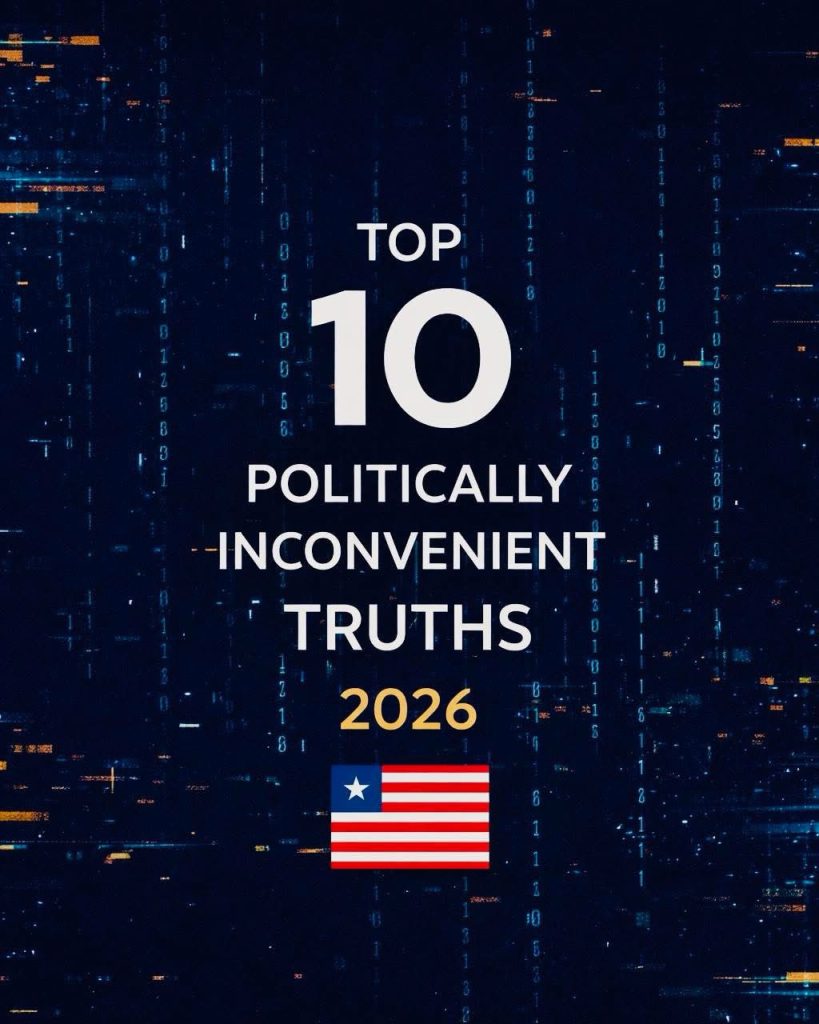
In a widely circulated statement titled “10 Politically Inconvenient Truths Liberians Need to Hear Before 2026,” the Nimba lawmaker argued that despite visible government activity and some positive economic indicators, most Liberians continue to struggle with basic “bread and butter” issues.
According to Wongbe, while rice and fuel prices have declined and the government has recorded international engagements, the lack of jobs and income means many households are not experiencing real relief. She said lower prices without employment do little to ease hardship and warned that public trust is being eroded by perceptions of corruption and unresolved questions surrounding major government projects, including the Presidential Villa initiative in Foya.
Wongbe also raised concerns about Liberia’s economic vulnerability following reductions in international aid. He noted that for decades, donor funding and the NGO sector have played a central role in sustaining the economy, from housing rentals to small businesses. With global aid cuts and the scale-back of USAID support, he said thousands of workers and businesses are feeling the impact, while the current administration lacks a credible alternative plan to replace donor spending.
Turning to the Legislature, the Nimba representative described it as a “national embarrassment,” citing internal crises, factionalism, and personal controversies involving senior leaders. He argued that the Legislature has lost moral authority and is increasingly viewed as serving personal interests rather than the public good.
On the broader political scene, Wongbe said Liberians are increasingly dissatisfied with the long-standing dominance of the Unity Party (UP) and the Congress for Democratic Change (CDC), and are searching for a credible “Third Lane.” However, he warned that the opposition remains fragmented and weak, with no clear alternative emerging. Without a viable new option by late 2026 or early 2027, he predicted voters may default once again to the two major parties.
Wongbe highlighted the growing influence of young people, particularly Generation Z, describing them as a “quiet majority” that is restless and largely leaderless. With a significant portion of the population under 18 and hundreds of thousands of potential youth voters in future elections, he said youth-led movements will increasingly mobilize around economic opportunity and social justice rather than party loyalty.
He also cautioned that the political influence of the Liberian diaspora is diminishing. While remittances and online activism once gave Liberians abroad outsized sway, Wongbe said people at home are growing resentful of what they see as “checkbook politics” without sustained on-the-ground engagement.
Another trend Representative Wongbe identified is the increasing role of tribal and regional considerations in political coalitions. He observed that ideology and policy are being replaced by ethnic and regional “mathematics,” particularly in North Central counties such as Nimba, Bong, and Lofa, where narratives of “our turn” are gaining traction. While this approach may win elections, he warned it risks weakening accountability and governance standards.
Focusing on his home county, Wongbe said Nimba remains a decisive electoral force but is no longer controlled by a single political kingmaker. He described the county as increasingly competitive, with multiple influencers and interests shaping outcomes, even as voters continue to support candidates from their own communities.
Wongbe further predicted that 2026 will feel like a full election year, with political tensions rising early. He criticized what he described as combative behavior by government officials, saying public insults and political infighting are fueling polarization and pushing the country into early campaign mode.
On the opposition CDC, Wongbe said former President George Weah remains politically popular, but argued that the party has failed to seriously reflect on its time in power. He criticized what he described as attempts to rewrite history through attacks on the current administration, without acknowledging past governance failures.
Despite the sharp tone of his commentary, Wongbe said his intention was to spark honest conversation ahead of the next electoral cycle. He acknowledged that his views may not be universally accepted, but maintained that confronting uncomfortable realities is necessary for Liberia’s progress.
“As always, these are politically inconvenient truths,” he said, signaling that the debate over Liberia’s direction is only beginning as the country moves closer to 2026.

