
3 min read
The Liberia Agriculture Commodity Regulatory Authority, LACRA, has hosted a day-long national validation workshop on the 2026 Oil Palm Regulations, aimed at strengthening the palm oil sector across the country.
The workshop brought together oil palm farmers, government officials, development partners, industry leaders, and farmers from the fifteen county. The program focused on educating red palm oil farmers and validating protocols that will guide the regulation of the oil palm industry nationwide.
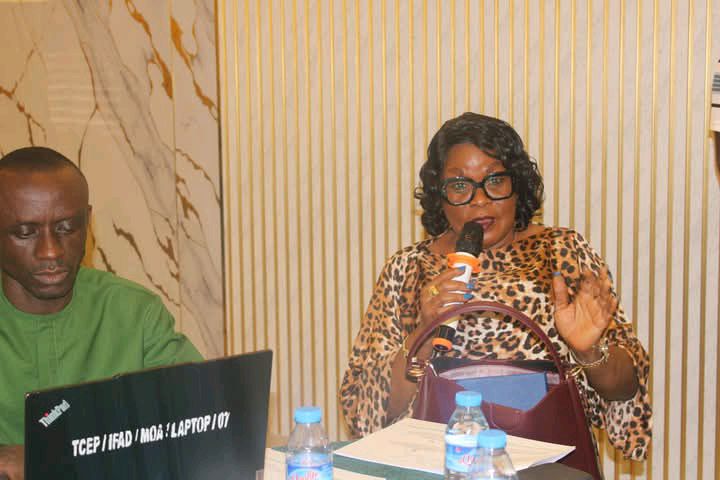
Speaking at the workshop, Madam Josephine George Francis, Chairperson of the Board of Directors of LACRA, emphasized the importance of land assessment, farmer engagement, and community involvement in palm oil development. She recalled past efforts to establish nurseries and distribute improved seedlings to over ten thousand farmers, stressing that Liberia must not repeat mistakes of the past.
Madam Francis noted that although oil palm farming has a long history in Liberia, the country still lacks a dedicated oil palm research institution. She explained that many farmers rely on seeds from Ghana, Côte d’Ivoire, and Guinea, despite Liberia having favorable conditions for oil palm production.
According to her, the absence of research facilities and laboratories has affected palm oil quality, productivity, and export competitiveness. She called for the establishment of a comprehensive research and testing laboratory to meet international standards and boost Liberia’s crude palm oil exports, which have declined in recent years.
She further urged collaboration among LACRA, the Ministry of Agriculture, the Ministry of Commerce, the Food Safety Authority, farmer associations, and development partners, describing 2026 as a critical year for unity and reform in the sector.
Also speaking at the event, Acting Director General of LACRA, Mr. Daniel T. Saryee, said the validation exercise marks a turning point for Liberia’s oil palm industry. He stated that the new regulations will modernize the sector, ensure fair pricing, protect quality standards, and support rural livelihoods.
Mr. Saryee disclosed that LACRA is decentralizing its operations through five regional hubs, where regulators, inspectors, and quality control officers will be stationed closer to farms and markets. This, he said, will ensure faster grading, certification, and consistent enforcement of regulations across all fifteen counties.
Meanwhile, Minister of Commerce and Industry, Cllr. Roosevelt Gould, reaffirmed the ministry’s commitment to supporting oil palm farmers with market access. He highlighted the refurbishment of the standards laboratory with support from the European Union, encouraging farmers to utilize the facility to qualify their products for the international market.
Minister Gould described farmers as the backbone of the private sector and pledged continued collaboration with LACRA and the Ministry of Agriculture to uplift farmers and strengthen Liberia’s agricultural economy.
The workshop ended with a call for stakeholders to actively review and validate the draft regulations, which will soon become binding law to guide the future of Liberia’s oil palm industry.
