6 min read
His Excellency Joseph Nyuma Boakai
PRESIDENT OF THE REPUBLIC OF LIBERIA
Speech at the High Level Event Marking the 20th Anniversary of the United Nations Peacebuilding Fund
General Assembly Hall, United Nations Headquarters, New York — 25 June 2026
Mr. Secretary General,
Mr. Chair of the Peacebuilding Commission,
Assistant Secretary General Elizabeth Spehar,
Excellencies, Heads of State and Government,
Distinguished Heads of United Nations agencies and peacebuilding partners,
Members of the diplomatic community,
Ladies and gentlemen,
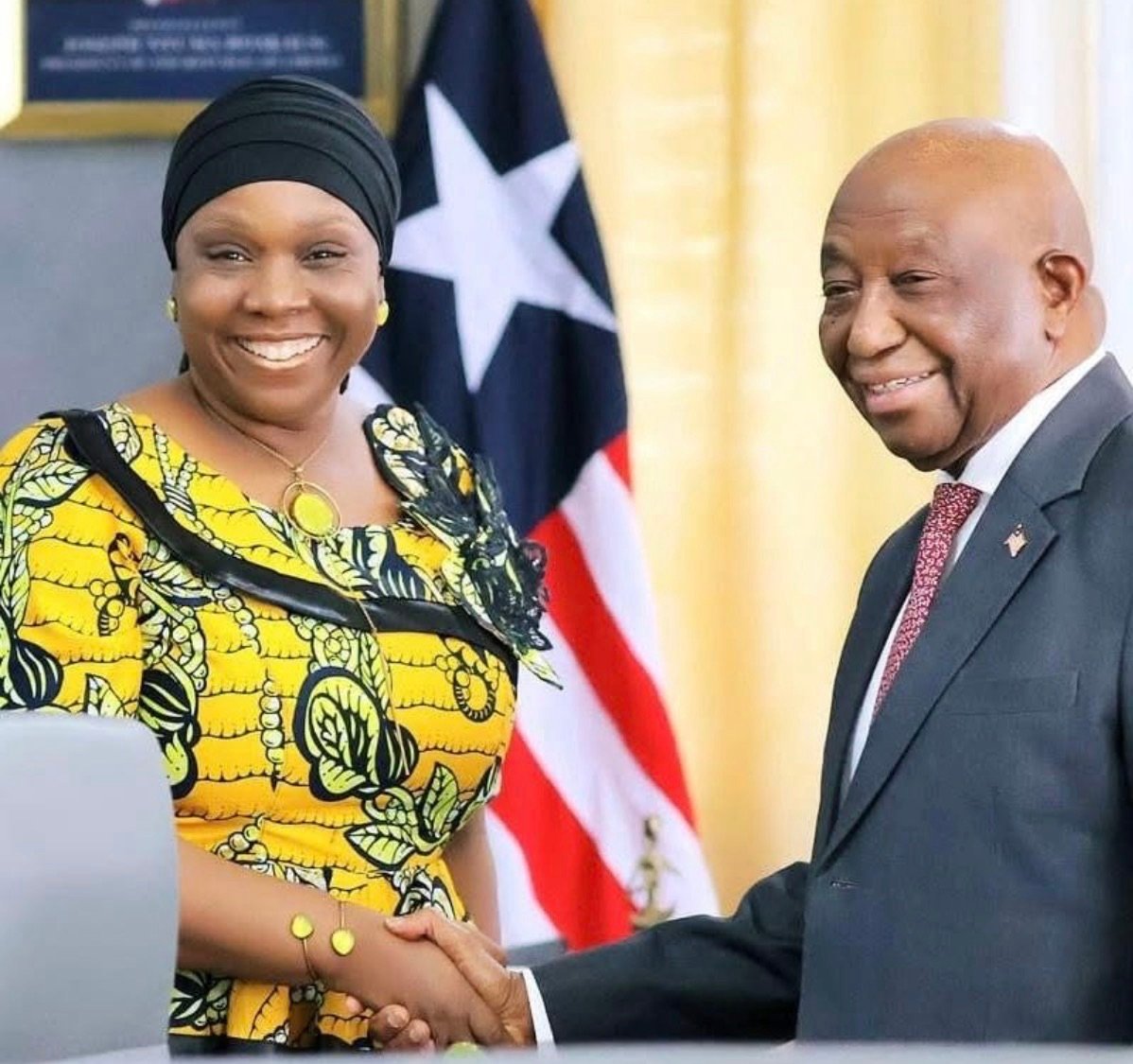
Let me begin by conveying my deep appreciation to the Secretary General and to the Peacebuilding and Peace Support Office for the invitation to join this distinguished gathering. It is a great honor for me as President of the Republic of Liberia to be invited to have my country stand among the nations marking twenty years of the Peacebuilding Fund, and I am pleased that you have permitted my Foreign Minister, Madam Sara Beysolow Nyanti, to bring these words to you on my behalf.
I regret that the demands of governing our nation at this moment did not allow me to be with you in person. But I want this Assembly to know that Liberia’s presence at this anniversary is not a formality. It is personal. It is rooted in our own history, and in the long road our people have walked from war to peace.
Liberia’s story is well known to this Organization. For more than a decade, our country was consumed by civil conflict. Hundreds of thousands of our people were killed. Hundreds of thousands more were displaced. Our institutions were hollowed out, our economy was shattered, and an entire generation of Liberian children grew up knowing the sound of gunfire before they knew the inside of a classroom.
I do not recount this history to dwell on pain. I recount it because it is the foundation of everything, I will say to you today. Liberia does not speak about peacebuilding as a theory. We speak about it as something we have lived, something we continue to build, year by year, often imperfectly, but always with determination.
When the guns fell silent in 2003, the world did not turn away from us. The United Nations Mission in Liberia stood beside our people through a long and difficult transition. And when the Peacebuilding Fund was established, Liberia became one of its earliest partners. Over these twenty years, that partnership has helped us invest in reconciliation, in the rule of law, in security sector reform, and in giving young Liberians a stake in their own country’s future. The results have been tangible and lasting.
The Fund supported rule of law education that brought human rights and legal awareness to rural communities long beyond the reach of formal institutions. It strengthened our security sector, building the capacity of police and military through dedicated gender taskforces. It empowered women as peacebuilders, supporting community peace huts as local spaces for dispute resolution, and funding women’s situation rooms that monitored and addressed hundreds of cases of conflict, including election-related violence. It helped communities across Nimba, Cape Mount, Sinoe, and Maryland Counties better understand and exercise their land rights, addressing one of the deepest root causes of tension in our society. And it invested in our youth, ensuring that young Liberians were engaged in civic life rather than left vulnerable to manipulation and exclusion. Taken together, these investments helped Liberia conduct three successive peaceful presidential elections, culminating in the 2023 transfer of power that the world recognized as a milestone in our democratic journey.
Mr. Secretary General, allow me to share, briefly, what Liberia’s journey has taught us about peacebuilding, because I believe these lessons speak to every nation represented in this hall.
First, peace is not an event. It is not a ceasefire, and it is not the day a peace agreement is signed. Peace is a continuous, generational task. Liberia held its peace agreement in 2003. We are still doing the work of peace today, more than twenty years later, through truth telling, through national reconciliation, and through our continuing efforts to address the recommendations of our Truth and Reconciliation Commission.
Second, peacebuilding must be nationally owned. International support was, and remains, indispensable to Liberia. But no outside actor can build peace inside a country on its behalf. The Peacebuilding Fund understood this from the start. It did not impose solutions. It invested in Liberian institutions, Liberian leadership, and Liberian ownership of our own recovery. That is why its support has endured, and why it has mattered.
Third, reconciliation requires honesty about the past. My Administration has taken deliberate steps to confront our history directly, including a national apology to the victims of our civil wars and the reburial with full state honors of two former Presidents who were killed while in office. President Samuel Kanyon Doe was laid to rest in Zwedru, Grand Gedeh County, his home county, while President William R. Tolbert, Jr. was reburied with dignity in Montserrado County, his home. These reburials, held more than three decades after their deaths, were not merely ceremonial. They were an act of national conscience, long overdue, intended to bring closure to grieving families and to a nation that had carried the weight of unresolved history for far too long. We also continue our efforts toward dignified memorialization and our work to establish a War and Economic Crimes Court. These are not easy undertakings. They surface old wounds. But a peace built on silence is a fragile peace, and Liberia has chosen the harder, more honest path.
Fourth, peace and development are inseparable. A peace that does not deliver roads, schools, healthcare, and opportunity will not hold. This is the thinking behind our government’s national development agenda, which places governance, infrastructure, and human capital at the center of our efforts to consolidate peace and lift our people toward shared prosperity.
Excellencies, Liberia comes to this anniversary not only as a recipient of the Peacebuilding Fund’s support, but increasingly as a contributor to the global peacebuilding agenda. As we take up our first full term as a non-permanent member of the Security Council for 2026 and 2027, we carry into that role the lessons of our own recovery. We have said before, and I say again today, that while the seat at that table bears Liberia’s name, it belongs to the wider community of nations that have known conflict and found their way back to peace.
We also recognize that peacebuilding today faces new and pressing tests. Youth unemployment and exclusion threaten to undo hard won gains across our region. Climate related shocks are eroding our coastlines and displacing our communities. Mistrust in institutions, if left unaddressed, can unravel decades of progress in a single generation. Liberia urges this Organization, and this Fund, to keep pace with these realities, investing not only in the aftermath of conflict, but in the prevention of it.
Mr. Secretary General, on behalf of the people and Government of Liberia, I extend our sincere gratitude to the Peacebuilding Fund, to its donors, and to the dedicated staff who have walked with us through some of the most difficult chapters of our national life. Twenty years is a milestone worth celebrating. But I would ask this Assembly to mark it not simply by looking back, but by recommitting to the work that remains.
Liberia stands ready to continue as a partner in that work, sharing what we have learned, supporting other nations on their own journeys, and continuing to build, brick by brick, the peace that our people sacrificed so much to achieve.
I thank you, and I wish this Peacebuilding Week every success.
