4 min read
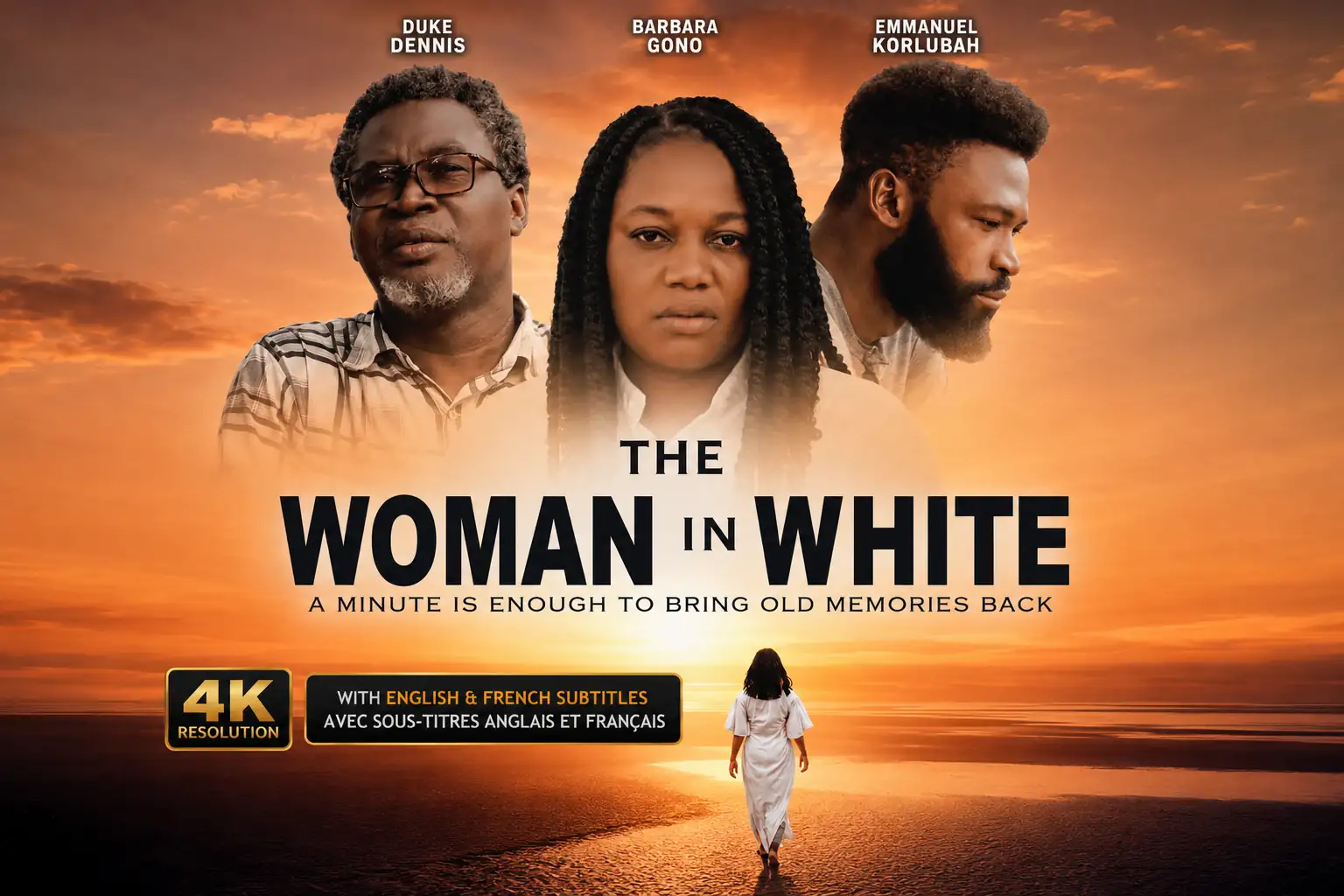
There comes a moment in every memorable film when you stop watching and start feeling. The Woman in White is filled with such moments.
Since its release, the film has steadily earned the kind of attention that cannot be manufactured. Audiences have embraced it not simply as entertainment, but as a story that reflects familiar struggles, difficult choices, and the emotional weight of human relationships. Through its blend of drama, suspense, and heartfelt storytelling, the film has sparked conversations that continue well beyond the cinema.
At its core, The Woman in White explores love, sacrifice, betrayal, and the consequences of the past. It examines what happens when devotion collides with reality and when the decisions we make for others come back to shape our own lives. These themes are universal, but the film presents them through a distinctly Liberian lens, giving the story both authenticity and emotional resonance.
Performances That Bring the Story to Life
A compelling story requires equally compelling performances, and the cast delivers exactly that.
Barbara Gono leads the film as Linda, a woman caught between love, loyalty, and self-discovery. Her performance anchors the narrative, bringing both vulnerability and strength to a character navigating difficult circumstances. She captures the emotional complexity of Linda with remarkable sincerity.
Duke M. Dennis brings quiet intensity to the role of Joseph. His measured performance provides balance to the film’s emotional highs and lows, making his character’s journey feel believable and deeply human.
Emmanuel Korlubah commands attention as Dennis, delivering a performance filled with energy and emotional force. His presence adds urgency and momentum to the story’s unfolding conflicts.
Emmanuel Freeman portrays Weah with warmth and authenticity, grounding many of the film’s most emotional moments. Abdul-Karim Sheriff adds depth and nuance to Thomas, ensuring the character remains layered and unpredictable throughout.
As Pastor John, Momo Cassell brings credibility and gravitas to the screen, embodying a figure whose influence extends beyond his immediate surroundings. Nancy Tulay shines as Mama D, reminding audiences of the vital role maternal figures often play in African storytelling traditions. Aminata Kanneh completes the ensemble as Esther, delivering a gentle yet impactful performance that adds emotional texture to the narrative.
Together, these actors create a believable world where every relationship feels lived-in and every conflict carries emotional weight.
The Team Behind the Vision
Behind every successful film is a dedicated team, and The Woman in White is no exception.
Abraham Barry serves as the creative force behind the project, taking on the roles of story creator, producer, director, director of photography, and editor. Such extensive involvement is uncommon, but it contributes to the film’s cohesive vision. Every scene feels guided by a clear artistic purpose.
Executive Producer Hageratou Barry helped provide the foundation necessary to bring the project to life. Siafa Walker, serving as both Production Manager and Assistant Director, played a crucial role in coordinating the production’s many moving parts. Duke Denis, as Production Supervisor, helped maintain the film’s quality throughout the process.

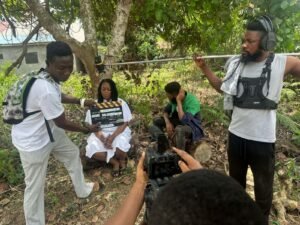

Abdul-Karim Sheriff also contributed behind the scenes as Artistic Director, helping shape the film’s visual identity. Christian Bryant’s sound design enhances the emotional atmosphere without drawing attention to itself, while Abdullah Passawe’s lighting creates some of the film’s most striking visual moments. Ramesh Massaquoi’s work as Continuity Supervisor ensures consistency throughout the story, and Salimatou Liza Diallo’s contributions to cast and crew welfare helped support the people responsible for bringing the vision to life.
Their collective efforts are evident in the finished product.
Abraham Barry’s Continuing Legacy
Over the years, Abraham Barry has established himself as one of Liberia’s most dedicated filmmakers. His body of work—including Breaking of the Bush, Silent Cry, Mr. IBU in Liberia, Snoti, Inside the Bush, LIB Player (My Sister’s Blood), Bloodline, Beauty from Pain, and From Ashes to Flame—has contributed significantly to the growth and visibility of Liberian cinema.
Yet The Woman in White feels particularly personal. There is a level of care in its storytelling, a patience in its character development, and an emotional honesty that suggests a filmmaker deeply connected to the story he set out to tell.
A Film That Stays With Its Audience
The true measure of a film is not what happens during its runtime, but what remains afterward.
The conversation surrounding The Woman in White continues to grow. Audiences recommend it to friends, revisit its themes, and debate its characters long after the credits have rolled. That enduring engagement is a testament to the film’s impact.
Good cinema entertains. Great cinema resonates.
The Woman in White belongs firmly in the latter category—a powerful Liberian production that leaves its mark on viewers and stands as another important achievement for everyone involved in its creation.