2 min read
‘Irresponsible, Reckless, and Inflammatory’: Gongloe Rebukes Vice President Koung Over Claim That Liberians ‘Can Take Over a City in Guinea,’ Warns Remarks Jeopardize Bilateral Ties
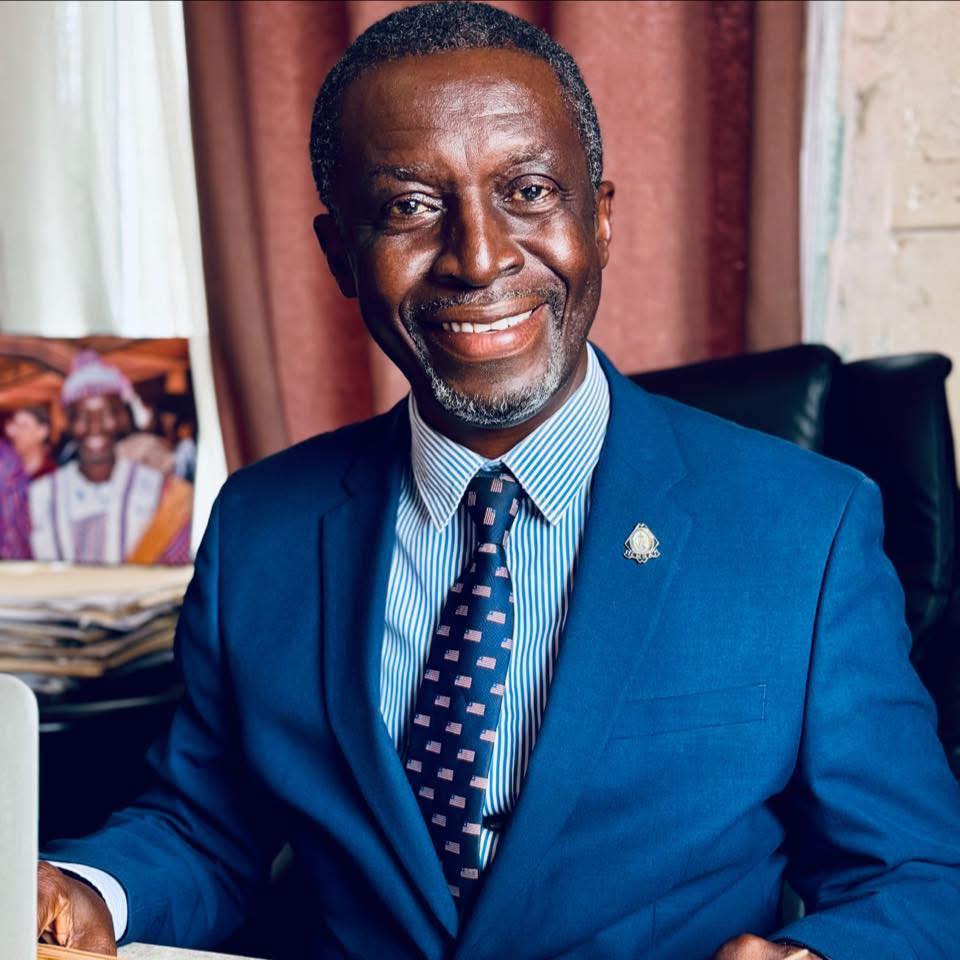
MONROVIA — The Liberian People’s Party Political Leader Cllr. Tiawan Saye Gongloe has condemned Vice President Jeremiah Kpan Koung for recent comments suggesting that “two or three” unnamed Liberians could “take a city in Guinea,” calling the remarks “irresponsible, reckless, and inflammatory.”
“There is a current darkness permeating the circles of our government,” Gongloe said in a social media video.
“Just two days ago, our Vice President made a very inflammatory statement that could escalate the problem between Guinea and Liberia… That statement was irresponsible, reckless, and inflammatory.
And it is not expected of a responsible Vice President of Liberia.”
Gongloe argued that Koung undermined his position by making that statement; jeopardizing the relationship between Liberia and Guinea,” adding, “We don’t need that.”
The LPP leader urged President Joseph Nyuma Boakai to establish a commission of inquiry to investigate recent border issues, saying “that’s what a responsible government do.”
Gongloe, a former presidential envoy to Guinea, said he remains confident the two nations will not go to war.
“I can put my head on chopping board, Guinea will never fight Liberia,” he said.
“I was told by the Guinean authorities that the Republic of Guinea owes so much to Liberia that it can never pay.
But when there’s a problem, there should be attempts to solve them.”
Vice President Koung’s original comments, made earlier this week, have circulated widely on social and traditional media and drawn criticism from opposition figures and civil society.
The Office of the Vice President had not issued a clarification or response.
Border tensions between Liberia and Guinea have periodically flared over security and trade issues, though both governments have publicly committed to diplomatic resolution.
Gongloe’s statement adds to mounting political pressure on the administration to address both the rhetoric of senior officials and the underlying border disputes.