2 min read
Monrovia Is Not ‘Dirty’ — MCC’s Record Deserves Recognition, Not Dismissal
KMTV NEWS INVESTIGATION
Former President Ellen Johnson Sirleaf’s recent characterization of Monrovia as “dirty” does not reflect the scale of work the Monrovia City Corporation has undertaken over the years to keep Liberia’s capital functional under immense strain.
To reduce Monrovia’s sanitation challenges to a soundbite ignores context.
MCC services a city whose daytime population swells past 1.5 million, yet operates with a budget, equipment, and workforce that have never matched the demand.
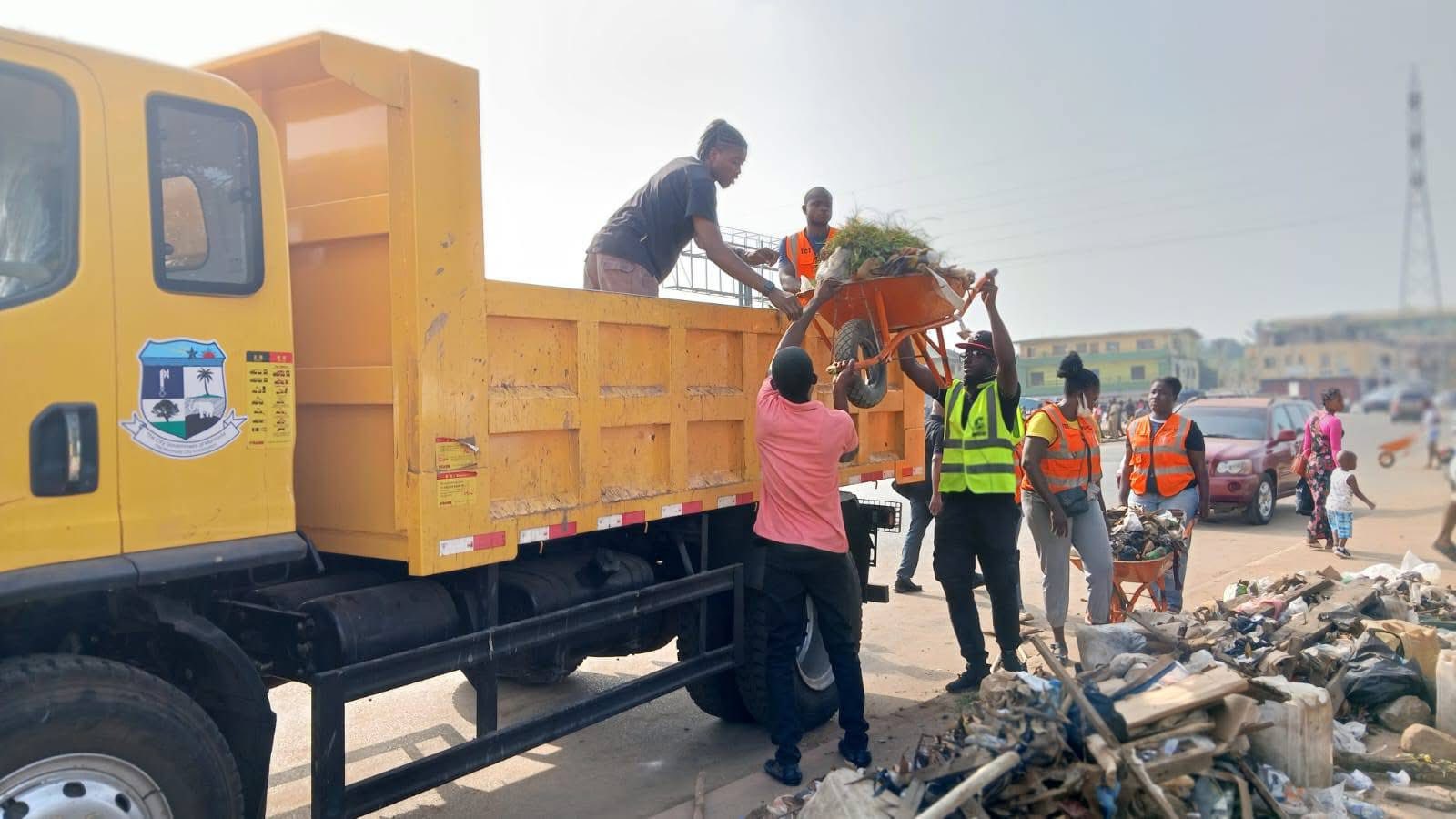
Despite revenue constraints, recurring floods, and a waste-generation rate exceeding 800 metric tons daily, MCC crews remain on the streets at dawn.
Community-based enterprises, market clean-up task forces, and beach sanitation units — all coordinated by MCC — have kept major corridors passable and reduced disease outbreaks in high-density communities.
Over the years, MCC has institutionalized door-to-door waste collection in several zones, expanded the use of transfer stations to cut illegal dumping, and partnered with international agencies to introduce mechanized sweepers and compactor trucks.
The Cheesemanburg landfill upgrades, the Clara Town and Waterside market sanitation programs, and the city-wide campaign are documented efforts that brought visible improvement.
No city government is beyond criticism, and Monrovia’s waste challenge is real.
But to label the city “dirty” without acknowledging MCC’s frontline workers — many of whom go months without incentives — erases the labor that prevents a bad situation from becoming a public health catastrophe.
If Liberians want a cleaner Monrovia, the conversation must start with funding, equipment, and citizen compliance with waste ordinances — not with blanket dismissals of the institution tasked with the job.
MCC officials and urban governance experts argue that Monrovia’s waste problems are national in scope — tied to budget allocations, rapid urban migration, and citizen compliance with waste ordinances.
“If we want a cleaner Monrovia, the conversation must start with funding, equipment, and enforcement — not with blanket dismissals of the institution tasked with the job.
While acknowledging that “no city government is beyond criticism,” MCC supporters say the Corporation’s resilience deserves recognition.
They are calling on national stakeholders to increase financial and logistical support rather than issue condemnations that, they argue, demoralize essential staff.