
3 min read
Monrovia, Liberia – Former Liberia Drug Enforcement Agency (LDEA) Deputy Director for Operations, Hassan Fadiga, has expressed serious concerns over a leaked interrogation audio related to the ongoing investigation into the massive cocaine seizure at Roberts International Airport (RIA), arguing that the recording exposes significant investigative shortcomings and raises questions about the professionalism of the inquiry.
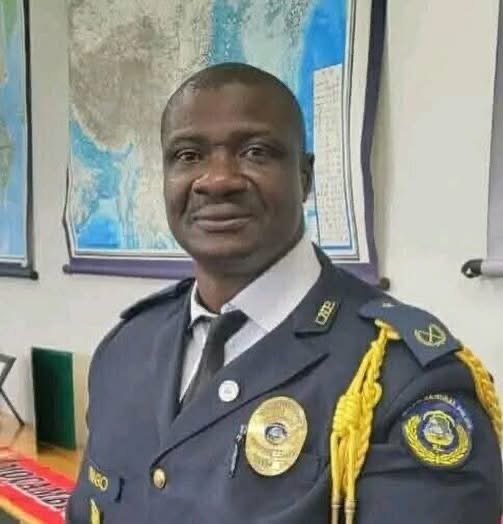
In a social Media post, Fadiga described the audio, reportedly released by FrontPage Africa, as “deeply concerning,” saying it highlights what appears to be a lack of structured, evidence-based investigative interviewing.
According to the former senior narcotics official, the questioning heard in the recording failed to systematically establish the suspects’ connection to the alleged drug trafficking operation through a clear investigative strategy.
He argued that investigators should have focused on testing the suspects’ accounts, identifying inconsistencies, confronting them with available evidence, and developing admissions capable of supporting a successful prosecution.
“In a high-profile drug trafficking investigation, the public would reasonably expect experienced criminal investigators to employ recognized investigative interviewing techniques,” Fadiga stated, adding that the recording instead suggests a joint security panel questioning suspects in a conference room, an approach he believes is inconsistent with international best practices.
Fadiga further criticized what he characterized as a lack of strategic planning, noting that every major criminal investigation should have clearly defined interview objectives aimed at establishing facts, assessing credibility, detecting deception, gathering information, and obtaining truthful admissions where appropriate.
He emphasized that effective interviews require careful preparation, logical sequencing of questions, and meaningful follow-up to build a prosecutable case.
The former Deputy Director also highlighted the importance of the interview environment, arguing that successful interrogations are designed to build rapport, encourage communication, and allow investigators to observe verbal and behavioral responses.
“A panel interview involving multiple agencies can intimidate a subject, inhibit meaningful disclosures, and make it more difficult to maintain a focused interview strategy,” Fadiga wrote, suggesting that in complex investigations a single lead interviewer should conduct the questioning while other investigators observe and provide support.
Fadiga also questioned whether the interrogation effectively explored critical elements necessary to prove drug trafficking or criminal facilitation. He warned that if investigators fail to establish evidence of knowing participation in the alleged offense, prosecutors may be left pursuing only administrative or procedural violations instead of the more serious criminal charges.
Beyond the interview itself, Fadiga described the apparent leak of the interrogation audio as equally troubling, arguing that interviews conducted during active criminal investigations should remain confidential.
“The unauthorized disclosure of investigative material raises serious concerns about operational security, the integrity of evidence, and the overall credibility of the investigation,” he stated.
Fadiga concluded by stressing that sound investigative practices are essential in a case of such national significance, not only to uncover the truth but also to ensure that any prosecution is built on credible, admissible, and reliable evidence.
The comments come amid heightened public interest in the investigation into the seizure of approximately 237.6 kilograms of cocaine at Roberts International Airport, a case that has prompted a Joint National Security Investigation involving multiple law enforcement and security agencies and has already led to administrative actions, including the suspension of a member of the National Oil Company of Liberia (NOCAL) Board pending the outcome of the inquiry.
