3 min read
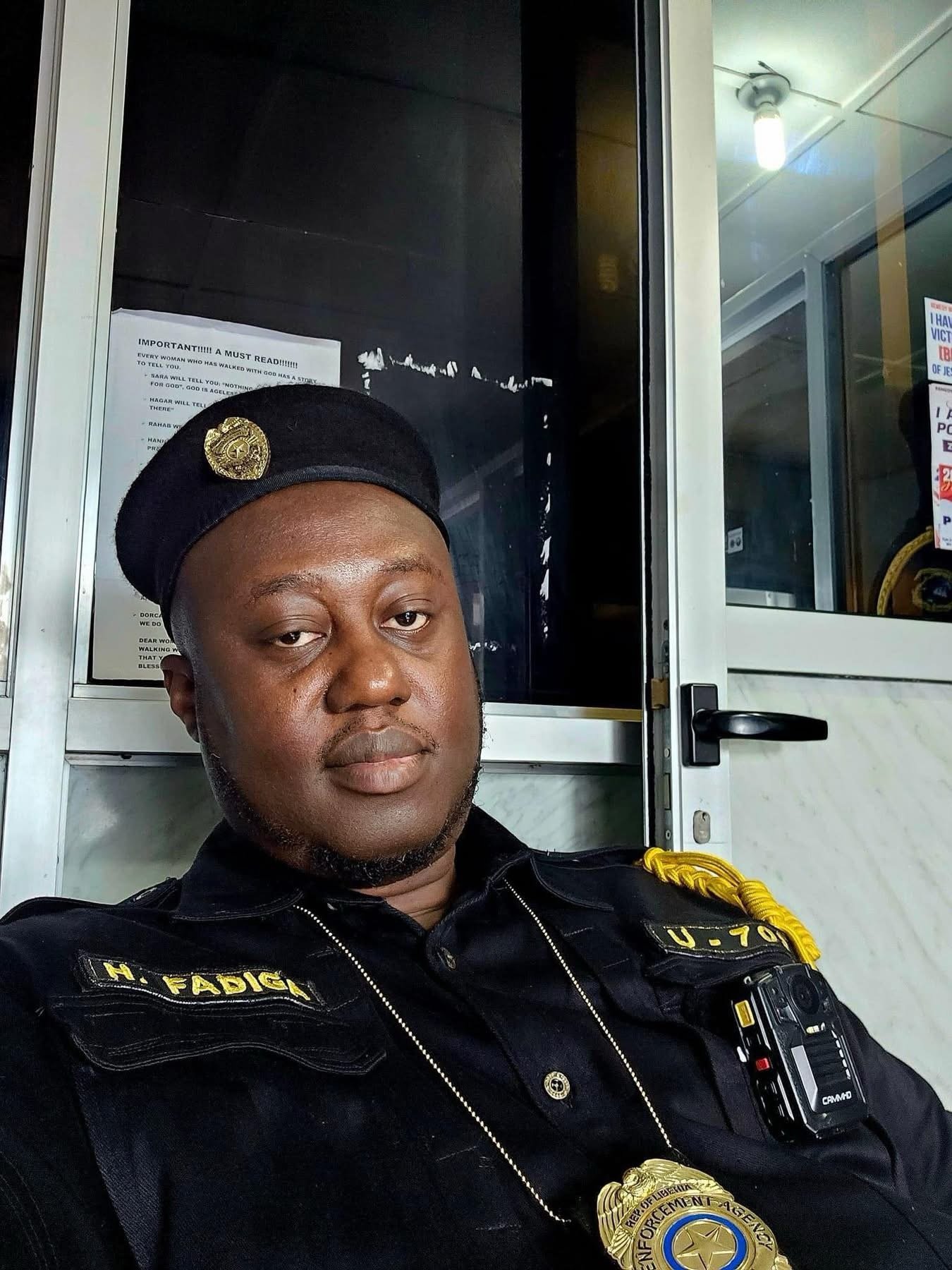
MINNESOTA, USA— Former Deputy Director for Operations of the Liberia Drug Enforcement Agency (LDEA), Hassan Fadiga, has come to the defense of the agency amid growing public criticism over its decision not to immediately disclose the identities of individuals detained in connection with the recent multi-million-dollar cocaine seizure at Roberts International Airport (RIA).
In a Facebook post, Fadiga acknowledged that Liberians have every right to be concerned about the discovery of a large quantity of illegal drugs at the country’s only international airport. He described the seizure as a matter that raises significant national security, law enforcement, and public safety concerns.
However, he argued that public demands for the immediate release of suspects’ identities are misplaced and could potentially undermine the ongoing investigation.
“The criticism directed at the Liberia Drug Enforcement Agency for not immediately releasing the identities of individuals currently detained in connection with the recent drug seizure at Roberts International Airport is misplaced,” Fadiga wrote.
According to the former LDEA operations chief, withholding the names of suspects, persons of interest, witnesses, and cooperating individuals during active criminal investigations—particularly those involving suspected transnational drug trafficking networks—is standard law enforcement practice around the world.
He explained that investigators and prosecutors must first determine whether releasing such information could compromise investigative efforts or weaken future prosecutions.
“Prematurely releasing names or sensitive information can jeopardize investigative leads, alert other suspects, influence witness statements, compromise evidence collection, expose cooperating sources, and weaken a future prosecution,” he stated.
Fadiga stressed that serious narcotics investigations should not be driven by social media pressure or public demands, but rather handled professionally and in accordance with due process and established investigative procedures.
He further emphasized that withholding information during an active investigation should not be interpreted as an attempt to conceal the truth.
“Withholding certain information during an active investigation is not the same as hiding the truth. It is often necessary to protect the integrity of the case and ensure that those responsible are properly identified, investigated, charged, and prosecuted,” he noted.
While declining to comment on the specifics of the ongoing investigation, citing the active nature of the case, Fadiga assured the public that accountability must ultimately prevail.
“The public deserves answers. The public deserves accountability,” he wrote.
He added that the key issue remains understanding how such a significant quantity of narcotics was able to enter or transit through Liberia’s sole international airport, noting that those questions must be thoroughly investigated before conclusions are drawn.
“The public deserves to know how such a large quantity of drugs could enter or pass through Liberia’s lone international airport. The right questions must be asked, and at the right time, the right answers must be demanded,” Fadiga stated.
The comments come amid heightened public interest in the June 8 seizure of approximately 237.6 kilograms of cocaine at Roberts International Airport, a haul authorities estimate to be worth more than US$19 million. The case has since been elevated to a Joint National Security Investigation involving multiple security and law enforcement agencies.
As investigations continue, authorities have maintained that certain details, including the identities of persons being questioned or detained, will only be released when doing so no longer poses a risk to the integrity of the case. Meanwhile, Fadiga’s intervention has added a prominent law enforcement perspective to the national debate surrounding one of Liberia’s largest recent drug seizures.
