2 min read
PATEL Chairman Dominic Nimely Threatens ‘Citizen’s Arrest’ of Foreign Nationals in Retail Trade, Citing Weak Enforcement and Unfair Competition Against Liberian Entrepreneurs
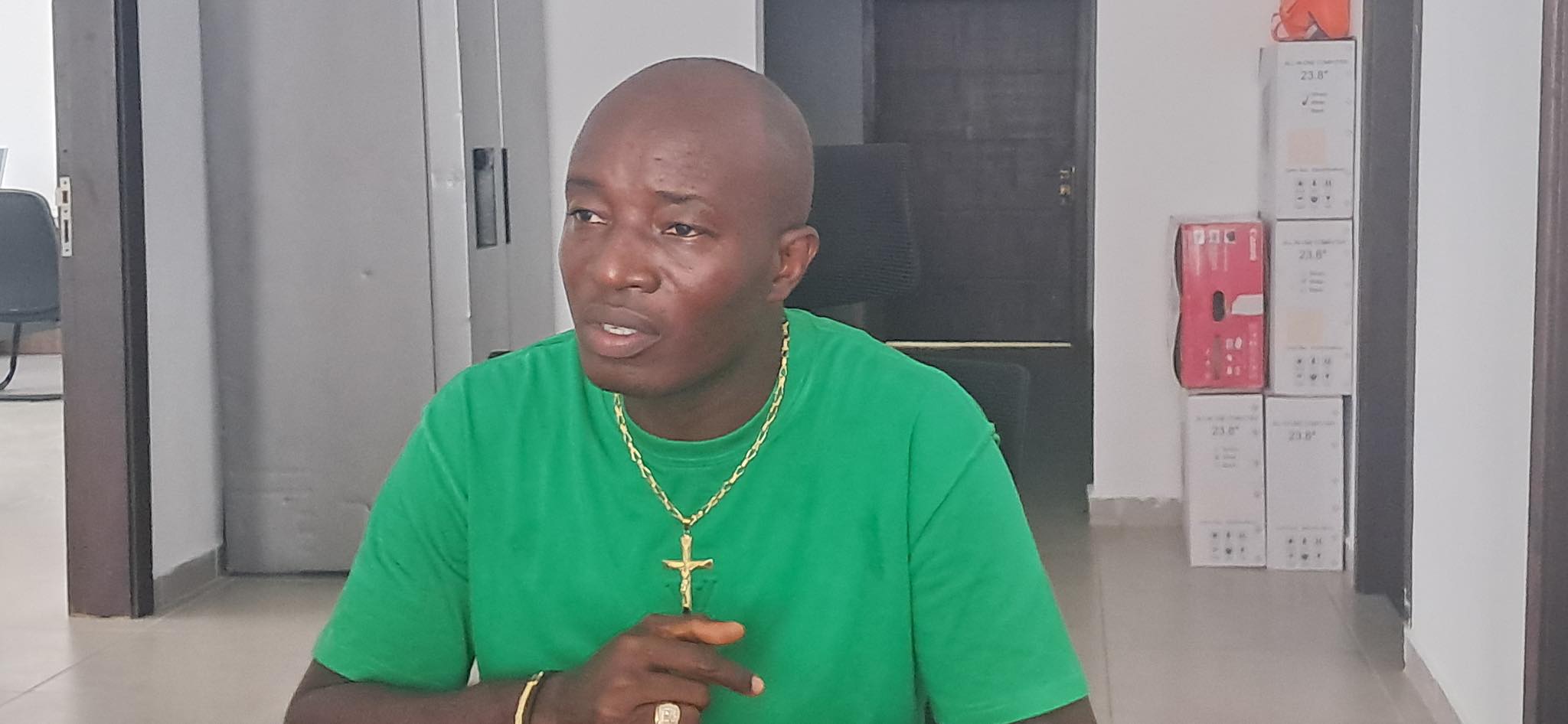
MONROVIA, Liberia — The Chairman of the Patriotic Entrepreneurs of Liberia (PATEL), Dominic Nimely, has warned that his organization may initiate what he termed “citizen’s arrest” actions against foreign nationals operating in Liberia’s retail sector, citing persistent violations of business regulations that reserve retail trade exclusively for Liberians.
Speaking at a news conference in Monrovia over the weekend, Nimely — who also serves as President of the Liberia Business Association (LIBA) and the Used Car Dealers Association said, the growing presence of foreign traders in both wholesale and retail markets is displacing local entrepreneurs and eroding opportunities for Liberian-owned businesses.
“Retail trade is reserved exclusively for Liberians under existing regulations, but enforcement remains weak,” Nimely said.
“The continuous participation of foreigners in retail businesses is driving ordinary Liberians out of the market.
If this situation persists, we will be left with no option but to take lawful action, including what we call a citizen’s arrest.”
Nimely stated that PATEL and LIBA have engaged the Ministry of Commerce and Industry and other government institutions on multiple occasions to seek enforcement of the law, but reported “little to no progress” from those discussions.
He attributed the precarious state of Liberian-owned enterprises to three primary factors which includes limited access to financing, inadequate government support, and what he described as unfair competition from foreign traders who, he said, often dominate both wholesale and retail distribution chains.
While expressing concern, Nimely acknowledged the government’s inclusion of PATEL and LIBA in the national budget, describing the gesture as a sign of recognition.
He nonetheless characterized the allocation as insufficient to meaningfully alter the operating environment for local businesses.
“While the support is appreciated, it is merely a drop in the ocean,” he said. “Nonetheless, we remain grateful to the government for recognizing our institutions.”
Nimely called on authorities to enforce existing commercial regulations without exception and to implement policies that create a more enabling environment for Liberian entrepreneurs.
He did not specify a timeline or operational plan for the threatened “citizen’s arrest” actions but framed them as a measure of last resort under the law.